


Getting a loan in the USA has never been easier, with countless options available for borrowers at every credit level. I have this guide for anyone who needs to take out a loan—from first-time borrowers to experienced applicants looking for better rates or faster approval.
I’ll walk you through the most reliable places where to get a loan, starting with traditional banks and credit unions that offer personal loans with competitive rates. You’ll also discover modern apps that loan you money within hours, plus government programs that provide assistance for specific needs like home purchases or education.
Finally, I’ll explore your complete range of loan options, including specialized lenders for unique situations and credit card alternatives that might work better for smaller amounts. By the end, you’ll know exactly which lending source fits your financial situation and timeline.
Traditional Banking Institutions for Personal Loans

National Banks with Competitive Interest Rates
Major national banks like Bank of America, Wells Fargo, Chase, and Citibank remain popular choices when you need to take out a loan. These financial giants offer personal loans with competitive rates, especially for customers with strong credit histories. You’ll find loan amounts ranging from $2,500 to $100,000, with repayment terms typically spanning 2-7 years.
The biggest advantage of working with national banks is their extensive branch networks and established online platforms. You can apply online, visit a physical location, or handle everything through their mobile apps. Many national banks also offer rate discounts for existing customers who maintain checking or savings accounts, which can reduce your overall borrowing costs.
Interest rates at national banks typically range from 6% to 36% APR, depending on your creditworthiness and the loan amount. Banks like Chase and Wells Fargo often provide same-day funding for approved applications, making them excellent loan options when you need money quickly.
Local Community Banks Offering Personalized Service
Community banks provide a more personal approach to lending that larger institutions often can’t match. These locally-owned banks understand their communities’ unique needs and may be more flexible with their underwriting criteria. You’ll likely work with the same loan officer throughout the entire process, creating a relationship that extends beyond a single transaction.
While community banks may not always offer the lowest rates, they compensate with exceptional customer service and willingness to consider your complete financial picture. They’re particularly valuable for borrowers with less-than-perfect credit who might struggle to qualify elsewhere. Many community banks also process applications faster than national chains because decisions are made locally rather than at distant corporate headquarters.
Credit Unions Providing Member-Exclusive Benefits
Credit unions represent some of the best loan options available, offering significantly lower interest rates than traditional banks. As member-owned institutions, credit unions operate for their members’ benefit rather than shareholder profits. This translates to personal loan rates that are often 2-3 percentage points lower than what you’d find at commercial banks.
Membership requirements vary, but many credit unions accept members based on geographic location, employment, or association membership. Once you’re a member, you gain access to personalized service that rivals community banks, plus the competitive rates that come with the credit union structure.
Credit unions also tend to be more forgiving with credit requirements and may approve loans for members who wouldn’t qualify elsewhere. They often offer financial counseling services and work with members facing temporary financial difficulties.
Private Banking Solutions for High-Net-Worth Individuals
High-net-worth individuals have access to specialized private banking services that offer premium loan products with unique benefits. Private banks like Goldman Sachs Private Wealth Management, J.P. Morgan Private Bank, and regional private banking divisions provide loans secured by investment portfolios, real estate, or other substantial assets.
These institutions offer extremely competitive rates, often below market averages, because loans are typically secured by valuable collateral. Borrowing limits can reach millions of dollars, and repayment terms are highly customizable. Private banking clients also receive dedicated relationship managers who coordinate all financial services, from lending to investment management and estate planning.
The application process moves quickly since private banks already maintain detailed knowledge of their clients’ financial situations. Many private banking loan products don’t require traditional income verification since the bank has comprehensive visibility into the borrower’s wealth and cash flow patterns.
Online Lending Platforms and Digital Solutions
Peer-to-Peer Lending Networks for Quick Approval
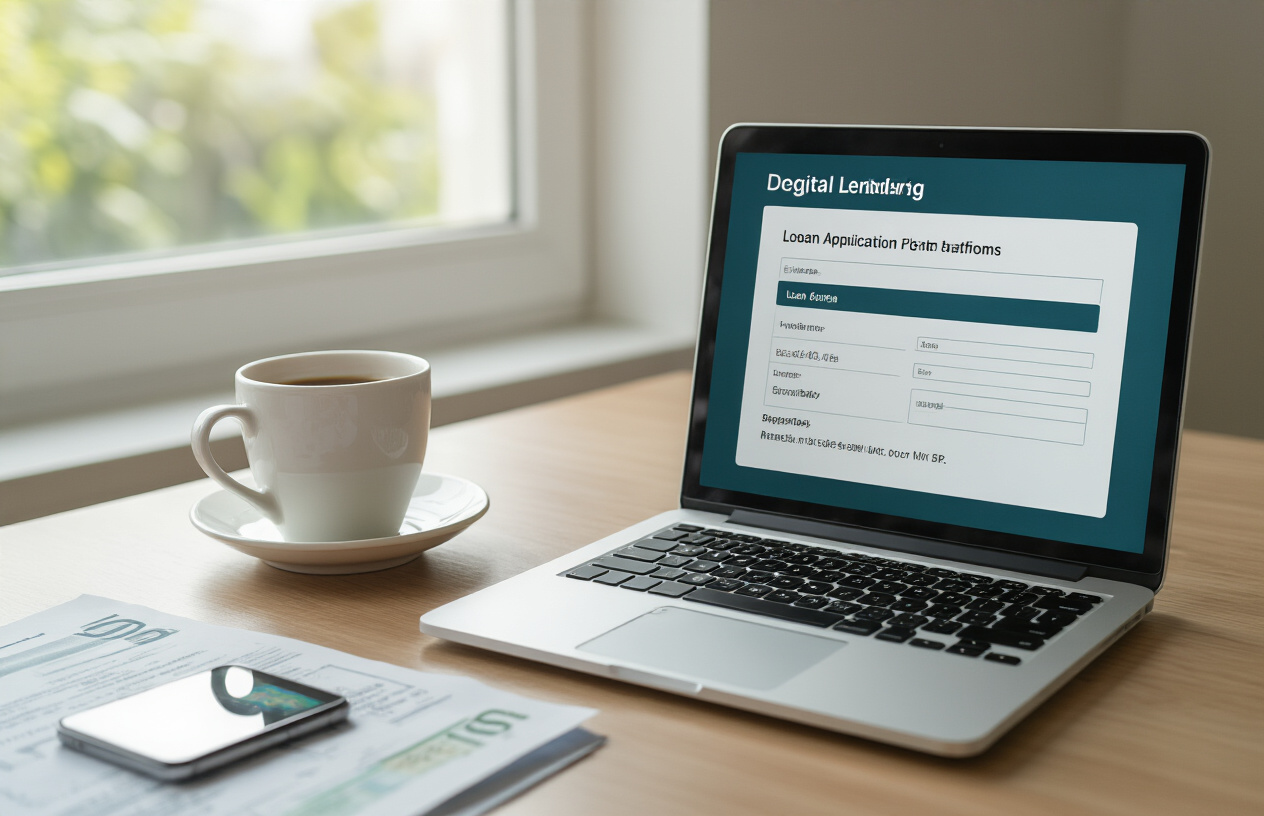
Peer-to-peer (P2P) lending platforms connect borrowers directly with individual investors, cutting out traditional banks from the equation. Popular platforms like LendingClub, Prosper, and Upstart have revolutionized how people think about loan options. These networks typically offer faster approval times compared to traditional banks, often providing decisions within 24-48 hours.
The application process is straightforward. You fill out an online form detailing your financial situation, and the platform assigns you a risk grade. Investors then review your loan listing and decide whether to fund all or part of your request. Interest rates vary based on your credit score and financial profile, but they’re often more competitive than credit cards.
P2P platforms shine when you need money quickly for debt consolidation, home improvements, or unexpected expenses. Many borrowers appreciate the transparency – you can see exactly who’s funding your loan and communicate directly with investors. The digital nature of these platforms means less paperwork and fewer trips to physical locations.
Fintech Companies with Streamlined Application Processes
Financial technology companies have transformed the lending landscape by focusing on user experience and speed. Companies like SoFi, Rocket Loans, and Marcus by Goldman Sachs have developed sophisticated algorithms that can evaluate your creditworthiness in minutes rather than days.
These apps that loan you money use alternative data sources beyond traditional credit reports. They might analyze your banking patterns, employment history, and even your education background to make lending decisions. This approach often benefits borrowers who might not qualify for traditional bank loans despite having stable income.
The application process typically takes 5-10 minutes online. You upload required documents through secure portals, and many platforms offer instant pre-qualification without affecting your credit score. Once approved, funds often arrive in your account within one business day.
Fintech lenders also excel in customer service, offering 24/7 chat support and mobile apps that let you manage your entire loan from your smartphone. They frequently provide educational resources and tools to help you understand your loan options and make informed financial decisions.
Digital-Only Banks Offering Lower Overhead Costs
Digital banks like Ally, Discover Bank, and Capital One 360 operate without physical branches, allowing them to offer more competitive rates and lower fees. When you take out a loan from these institutions, you often benefit from their reduced operational costs.
These banks leverage technology to create efficient loan processing systems. Their online platforms are typically more intuitive than traditional bank websites, and their mobile apps offer full functionality for loan applications and management. The lack of physical locations doesn’t mean less security – digital banks often use advanced encryption and fraud detection systems.
Digital banks frequently offer personal loans with no origination fees, prepayment penalties, or hidden charges. Their loan terms are usually clearly displayed upfront, making it easier to compare options. Many also provide free financial planning tools and credit monitoring services as added benefits.
The approval process is entirely digital, from application to funding. You can upload documents electronically, sign agreements with digital signatures, and receive funds via direct deposit. Customer service is typically available through phone, chat, or email, with many offering extended hours compared to traditional banks.
Government-Backed Loan Programs and Assistance

Small Business Administration Loans for Entrepreneurs
The Small Business Administration (SBA) serves as a lifeline for entrepreneurs who need funding but can’t secure traditional bank loans. These government-backed loans reduce lender risk, making banks more willing to approve applications from small business owners. SBA 7(a) loans are the most popular option, offering up to $5 million for working capital, equipment, or real estate purchases. The approval process typically takes 30-90 days, but the competitive interest rates and flexible terms make the wait worthwhile.
SBA microloans provide smaller amounts up to $50,000, perfect for startups or businesses needing quick capital injections. Express loans fast-track the process, delivering decisions within 36 hours for amounts up to $500,000. Women, veterans, and minority entrepreneurs often qualify for specialized SBA programs with even better terms and reduced fees.
Federal Housing Administration Mortgages for Homebuyers
FHA mortgages open doors for first-time homebuyers who struggle with traditional mortgage requirements. These loans accept down payments as low as 3.5% and credit scores starting at 580, making homeownership accessible to more Americans. The government insurance protects lenders, allowing them to offer these favorable terms without excessive risk.
FHA loans come with mortgage insurance premiums, but the benefits often outweigh these costs. Borrowers can finance up to 96.5% of their home’s value, and sellers can contribute up to 6% toward closing costs. These mortgages also allow gift funds from family members for down payments, providing additional flexibility for buyers with limited savings.
Student Aid Programs for Educational Funding
Federal student aid programs provide multiple avenues for educational financing without requiring perfect credit or cosigners. Direct Subsidized Loans offer the best terms for undergraduate students with financial need, as the government pays interest while students remain enrolled. Direct Unsubsidized Loans are available to all students regardless of financial situation, though interest accrues immediately.
Parent PLUS loans help families bridge funding gaps when other aid falls short. Graduate students can access PLUS loans directly, typically offering better rates than private alternatives. The Federal Work-Study program combines employment with education, allowing students to earn money while gaining valuable work experience.
Veterans Affairs Loans for Military Personnel
VA loans represent one of the military’s most valuable benefits, offering eligible veterans, active-duty personnel, and qualifying spouses access to homeownership without down payments or private mortgage insurance. These loans feature competitive interest rates and no prepayment penalties, creating significant savings over the loan’s lifetime.
VA funding fees replace traditional mortgage insurance but can be rolled into the loan amount. Disabled veterans often receive fee waivers, reducing their overall borrowing costs. The VA loan guarantee protects lenders while ensuring veterans receive fair treatment and competitive terms. These loans can be reused multiple times, making them valuable for military families who relocate frequently.
USDA Rural Development Loans for Rural Areas
USDA Rural Development loans support homeownership in qualifying rural and suburban areas, often requiring no down payment for eligible borrowers. These loans target moderate to low-income families who might otherwise struggle to secure traditional financing. Property eligibility depends on location and population density, with USDA maps clearly defining qualifying areas.
Income limits vary by location and family size, but many middle-class families qualify for these programs. USDA loans offer competitive interest rates and reduced mortgage insurance compared to FHA alternatives. The application process includes property inspections to ensure homes meet safety and quality standards, protecting buyers from problematic purchases.
Alternative and Specialized Lending Sources

Payday Loan Stores for Emergency Cash Needs
Payday loan stores offer quick cash when you’re facing a financial emergency and need money before your next paycheck arrives. These brick-and-mortar locations provide short-term loans typically ranging from $100 to $1,000, with repayment due within two to four weeks. The application process is straightforward – you’ll need proof of income, a checking account, and valid identification.
While payday loans are easy to obtain and don’t require extensive credit checks, they come with extremely high interest rates and fees. The annual percentage rate (APR) can reach 400% or higher, making them one of the most expensive loan options available. Many borrowers find themselves trapped in a cycle of debt when they can’t repay the loan on time and need to roll it over with additional fees.
Before visiting a payday loan store, explore other loan options like borrowing from friends, asking for an advance from your employer, or using apps that loan you money with more reasonable terms.
Title Loan Companies Using Vehicle Collateral
Title loan companies allow you to take out a loan using your vehicle as collateral, typically offering 25% to 50% of your car’s value. You can continue driving your vehicle while repaying the loan, but the lender holds your title until the debt is settled. These loans usually range from $100 to $10,000 and have repayment terms of 15 to 30 days.
The application process is faster than traditional bank loans since your vehicle serves as security. You’ll need your car title, proof of income, insurance, and identification. Most title loan companies complete the process within an hour.
However, title loans carry significant risks. Interest rates are extremely high, often exceeding 300% APR. If you default on payments, the lender can repossess your vehicle, leaving you without transportation and potentially owing more money than the car is worth.
Pawn Shops for Quick Asset-Based Loans
Pawn shops provide immediate cash in exchange for valuable items you own, such as jewelry, electronics, tools, or collectibles. The pawnbroker evaluates your item and offers a loan amount typically ranging from 25% to 60% of its resale value. Loan amounts usually fall between $50 and $500, though valuable items can secure larger sums.
The process is simple and doesn’t require credit checks or extensive paperwork. You receive cash immediately and have 30 to 120 days to repay the loan plus interest to reclaim your item. If you can’t repay, the pawn shop keeps your item and sells it, with no further obligation on your part.
Interest rates at pawn shops vary widely but generally range from 12% to 240% APR. While expensive, pawn shop loans don’t affect your credit score and provide a way to access quick cash without long-term financial commitments.
Employer-Sponsored Loan Programs
Many companies now offer employee loan programs as part of their benefits package, recognizing that financial stress affects workplace productivity. These programs typically provide loans ranging from $500 to $5,000 at competitive interest rates, often between 6% and 12% APR.
Employer loans are automatically deducted from your paycheck, making repayment convenient and reducing the risk of default. The application process is usually handled through HR or a third-party provider, with approval decisions made quickly based on your employment history and income.
Some employers partner with financial wellness platforms that offer various loan options, including emergency loans, debt consolidation, and larger personal loans. These programs often include financial counseling and budgeting tools to help employees manage their money more effectively.
The main advantage of employer-sponsored loans is their accessibility – you don’t need perfect credit, and the rates are typically much lower than alternative lending sources. However, leaving your job before repaying the loan usually requires immediate payment of the remaining balance.
Credit Cards and Revolving Credit Options

Balance Transfer Cards for Debt Consolidation
Balance transfer credit cards offer a smart way to consolidate high-interest debt into one manageable payment. These cards typically feature promotional 0% APR periods ranging from 12 to 21 months, giving you breathing room to pay down balances without accumulating interest. When you take out a loan through this method, you’re essentially moving existing debt to a new card with better terms.
The process involves applying for a balance transfer card and requesting to move balances from other credit cards or loans. Most issuers allow transfers up to 80-95% of your new credit limit. Popular options include the Chase Slate Edge, Citi Simplicity Card, and BankAmericard credit card, each offering different promotional periods and transfer fees.
Keep in mind that balance transfer fees typically range from 3-5% of the transferred amount. While this might seem steep, the interest savings during the promotional period often outweigh these costs. Calculate your total savings by comparing current interest payments against the transfer fee to ensure you’re making a financially sound decision.
Cash Advance Features on Existing Cards
Cash advances let you borrow money directly from your existing credit cards, making them one of the most accessible loan options available. Most credit cards allow cash advances up to a certain percentage of your credit limit, typically 20-50%. You can access these funds through ATMs, bank teller windows, or convenience checks provided by your card issuer.
Apps that loan you money often get attention, but your existing credit card might already provide the cash access you need. The convenience factor is unmatched – you can get cash within minutes at thousands of ATMs nationwide. However, cash advances come with significant costs including higher interest rates (often 25-30% APR), immediate interest accrual with no grace period, and cash advance fees of 3-5% per transaction.
Before using this option, compare it against other borrowing methods. While convenient for emergencies, the high costs make cash advances unsuitable for long-term financing needs.
Store Credit Cards for Retail Purchases
Store credit cards serve as specialized financing tools for specific retailers and can be valuable when you need to make large purchases at particular stores. These cards often provide instant approval decisions, special financing offers like 0% APR for 6-24 months on qualifying purchases, and exclusive discounts for cardholders.
Major retailers like Home Depot, Lowe’s, Amazon, and Target offer store cards with varying benefits. Some function as traditional credit cards usable anywhere, while others work only at the specific retailer. Store cards typically have more relaxed approval requirements compared to traditional credit cards, making them accessible options for building or rebuilding credit.
The financing benefits shine when making large purchases. Many store cards offer deferred interest promotions where you pay no interest if you pay off the balance within the promotional period. This effectively creates an interest-free loan for planned purchases like appliances, furniture, or home improvement projects.
However, store cards usually carry higher interest rates than traditional credit cards, often exceeding 25% APR. Missing payments or failing to pay off promotional balances in time can result in retroactive interest charges. Use these cards strategically for planned purchases where you can take advantage of promotional terms.

Finding the right loan in the USA comes down to understanding your options and matching them to your specific needs. Traditional banks offer stability and established relationships, while online lenders provide speed and convenience. Government programs can be lifesavers for those who qualify, and alternative lenders fill gaps that mainstream options might miss. Credit cards work well for short-term needs, but watch those interest rates carefully.
Your credit score, income, and timeline will largely determine which path makes the most sense for you. Don’t rush into the first offer you see – shop around, compare rates, and read the fine print. Start with your current bank if you have a good relationship there, then explore online options for potentially better rates. Remember that the cheapest loan isn’t always the best if it comes with hidden fees or inflexible terms that could cause problems down the road.
Disclaimer:
This article is for information and learning only. This article neither includes nor recommends any information about how to address medical, psychological, or financial issues. If you face severe stress, anxiety, and depression, please seek a qualified professional.
Written by Azhar Huzaifa
Azhar Huzaifa is the founder of LifeBalanceInsight.com.
He writes about money psychology, health, and life balance,
helping middle-class families reduce stress and live better lives.