
Getting frustrated with slow progress on your weight loss journey? You’re not alone. Many people struggle to see the results they want, especially women dealing with PCOS weight loss challenges or anyone who’s tried countless diets without success.
This guide is for anyone who wants to learn how to lose weight faster while still doing it safely and sustainably. We’ll skip the generic advice and dive into strategies that actually work.
You’ll discover how to create a strategic calorie deficit that speeds up results without starving yourself. We’ll also cover smart exercise techniques that accelerate fat burning and help you make the most of your gym time. Finally, we’ll explore the best way to lose weight by optimizing your nutrition timing and food choices for maximum impact.
Ready to stop spinning your wheels and start seeing real progress? Let’s get started.
Create a Strategic Calorie Deficit for Rapid Results
Calculate your optimal daily calorie target
Your calorie target forms the foundation of how to lose weight faster. Start by calculating your Basal Metabolic Rate (BMR) using the Mifflin-St Jeor equation: for women, multiply your weight in kg by 10, add 6.25 times your height in cm, subtract 5 times your age, then subtract 161. For men, add 5 instead of subtracting 161.
Next, multiply your BMR by your activity level factor:
- Sedentary (desk job): BMR × 1.2
- Light activity (1-3 workouts/week): BMR × 1.375
- Moderate activity (3-5 workouts/week): BMR × 1.55
- High activity (6-7 workouts/week): BMR × 1.725
For safe, sustainable weight loss, subtract 500-750 calories from this total daily energy expenditure. This creates a deficit that promotes 1-2 pounds of fat loss weekly without triggering metabolic slowdown or muscle loss.
Women should never go below 1,200 calories daily, while men shouldn’t drop below 1,500. PCOS weight loss often requires slightly higher calorie targets due to insulin resistance affecting metabolism.
Track every bite with precision using apps
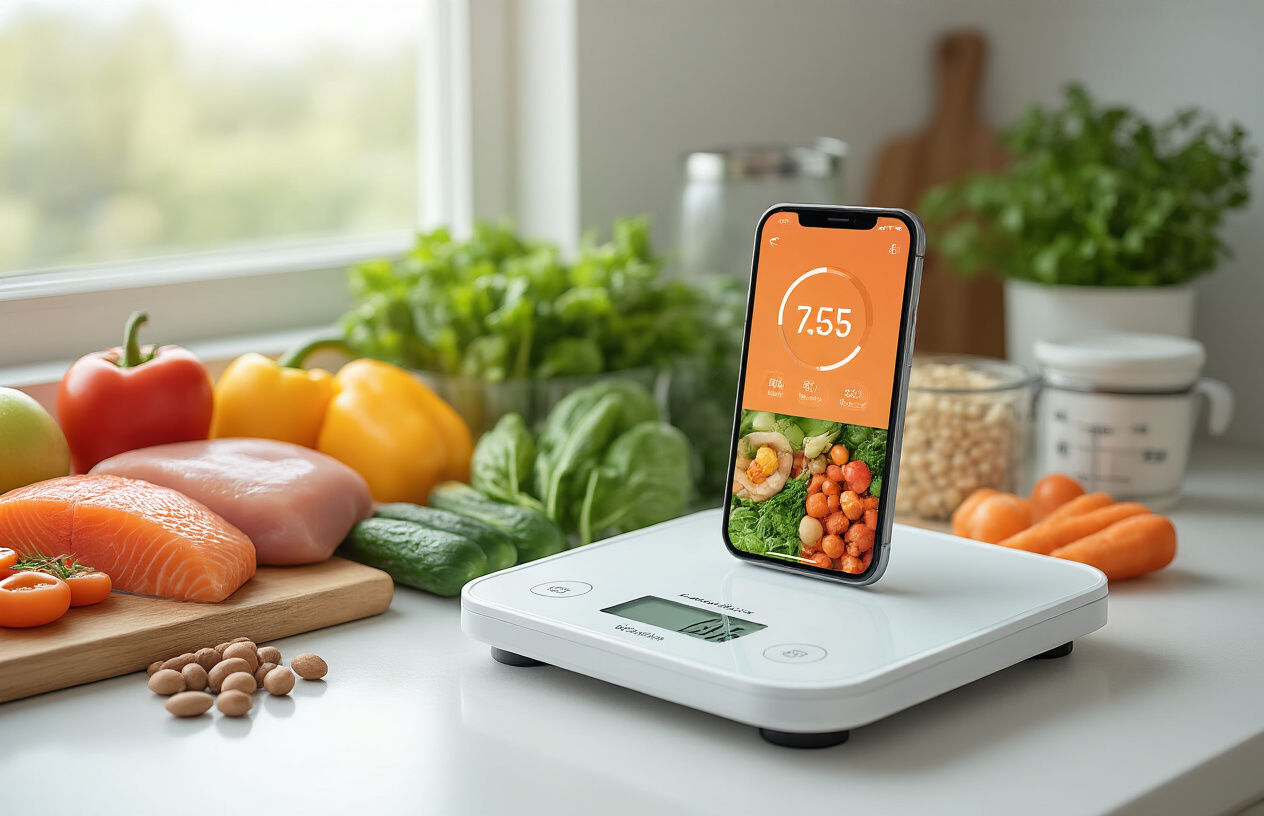
Digital tracking transforms guesswork into precision. Apps to lose weight like MyFitnessPal, Cronometer, or Lose It! contain extensive food databases with barcode scanners for accuracy.
Weigh your food using a digital kitchen scale rather than relying on volume measurements. A “medium apple” can vary by 100+ calories, while 100 grams of apple remains consistent. Log everything immediately after eating to avoid forgetting portions or ingredients.
Pre-log your entire day each morning. This strategy prevents impulsive food choices and ensures you stay within your calorie target. When dining out, research restaurant nutrition information beforehand and make decisions before arriving.
Track these key metrics beyond calories:
- Protein intake (aim for 0.8-1g per pound of body weight)
- Fiber consumption (25-35g daily)
- Water intake (half your body weight in ounces)
- Meal timing and hunger levels
Time your meals for maximum metabolic impact
Meal timing can accelerate your results when combined with a proper calorie deficit. Eat your largest meal when you’re most active, typically lunch for most people. This aligns with your body’s natural insulin sensitivity patterns.
Try a 16:8 intermittent fasting schedule: eat within an 8-hour window and fast for 16 hours. Skip breakfast and eat between noon and 8 PM, or skip dinner and eat between 8 AM and 4 PM. Choose the window that fits your lifestyle and social commitments.
Space your meals 4-5 hours apart to allow insulin levels to drop between eating periods. This promotes fat burning and reduces constant snacking urges. Include 20-30 grams of protein at each meal to maintain muscle mass and increase satiety.
Weight loss for women may benefit from adjusting meal timing around menstrual cycles. Eat more carbohydrates during the luteal phase (week before menstruation) when cravings naturally increase.
Avoid common calorie counting mistakes
Accuracy makes or breaks your deficit. Measuring oils and nuts by volume instead of weight can add 200-300 hidden calories daily. One tablespoon of olive oil weighs 14 grams and contains 120 calories, but most people pour closer to 20-25 grams.
Don’t forget liquid calories from coffee drinks, smoothies, alcohol, and sodas. A large flavored latte contains 300-400 calories, equivalent to a small meal. Track cooking oils, butter, salad dressings, and condiments that seem insignificant but accumulate quickly.
Avoid the “healthy food trap” where you eat unlimited amounts because something is nutritious. Nuts, avocados, and olive oil are healthy but calorie-dense. A handful of almonds can easily become 400 calories if you’re not measuring.
Weekend calorie amnesia sabotages many people’s progress. Track Friday night through Sunday with the same precision as weekdays. One untracked weekend can undo an entire week’s deficit.
Double-check entries in tracking apps, especially for generic foods like “chicken breast” or “mixed salad.” Choose entries with complete nutrition information or create custom foods with accurate data from packaging labels.
Accelerate Fat Burning Through Smart Exercise

Combine High-Intensity Interval Training with Strength Workouts
HIIT paired with strength training creates a powerful fat-burning combination that delivers results faster than traditional cardio alone. This dynamic duo works by creating an “afterburn effect” where your body continues burning calories hours after your workout ends.
Start with 15-20 minutes of HIIT – alternating between 30 seconds of maximum effort and 90 seconds of active recovery. Follow this with 20-30 minutes of strength training focusing on multi-muscle movements. This sequence maximizes both immediate calorie burn and long-term metabolic boost.
For women dealing with PCOS weight loss challenges, this combination proves especially effective because it helps improve insulin sensitivity while building lean muscle mass. The hormonal benefits extend well beyond the gym, supporting better weight management throughout the day.
Schedule these hybrid sessions 3-4 times per week, allowing rest days between intense workouts. Your body needs recovery time to build muscle and optimize fat burning processes.
Maximize Workout Efficiency with Compound Movements
Compound exercises work multiple muscle groups simultaneously, burning more calories per minute than isolation exercises. These movements give you the biggest bang for your buck when you’re learning how to lose weight faster.
Top compound movements for rapid weight loss:
- Burpees: Full-body exercise combining squat, plank, and jump
- Deadlifts: Targets back, glutes, hamstrings, and core
- Squats with overhead press: Works legs, core, and shoulders
- Mountain climbers: Combines cardio with core strengthening
- Kettlebell swings: Explosive movement targeting posterior chain
Structure your workouts around 4-5 compound movements rather than spending time on multiple isolation exercises. Aim for 3-4 sets of 8-12 repetitions with minimal rest between exercises to keep your heart rate elevated.
Circuit training with compound movements creates the perfect storm for weight loss – you’re building muscle while torching calories and improving cardiovascular fitness all at once.
Schedule Exercise Timing to Boost Metabolism All Day
Your workout timing significantly impacts how effectively your body burns fat throughout the entire day. Strategic scheduling turns your metabolism into a 24-hour fat-burning machine.
Morning workouts (6-8 AM) provide several advantages for those focused on how to lose weight. Your body has depleted glycogen stores from sleeping, so you’ll tap into fat reserves more quickly. Morning exercise also sets a metabolic tone that keeps you burning more calories all day.
Pre-meal timing works exceptionally well for weight loss. Exercising 30-60 minutes before eating improves insulin sensitivity, helping your body process nutrients more efficiently rather than storing them as fat.
Evening strength training (5-7 PM) takes advantage of your body’s peak performance window while avoiding interference with sleep quality. Keep intense cardio earlier in the day to prevent sleep disruption.
Weekly scheduling strategy:
| Day | Morning | Evening |
|---|---|---|
| Monday | HIIT (20 min) | Strength (30 min) |
| Tuesday | Light walk | Rest |
| Wednesday | Compound circuit (25 min) | Yoga/stretching |
| Thursday | HIIT (20 min) | Strength (30 min) |
| Friday | Active recovery | Rest |
| Saturday | Long strength session (45 min) | – |
| Sunday | Light activity | Rest |
Consistency with timing helps regulate your circadian rhythm, optimizing hormone production for better weight loss results. Your body adapts to expect activity at certain times, priming your metabolism accordingly.
Optimize Your Nutrition for Faster Weight Loss
Prioritize protein to preserve muscle and increase satiety
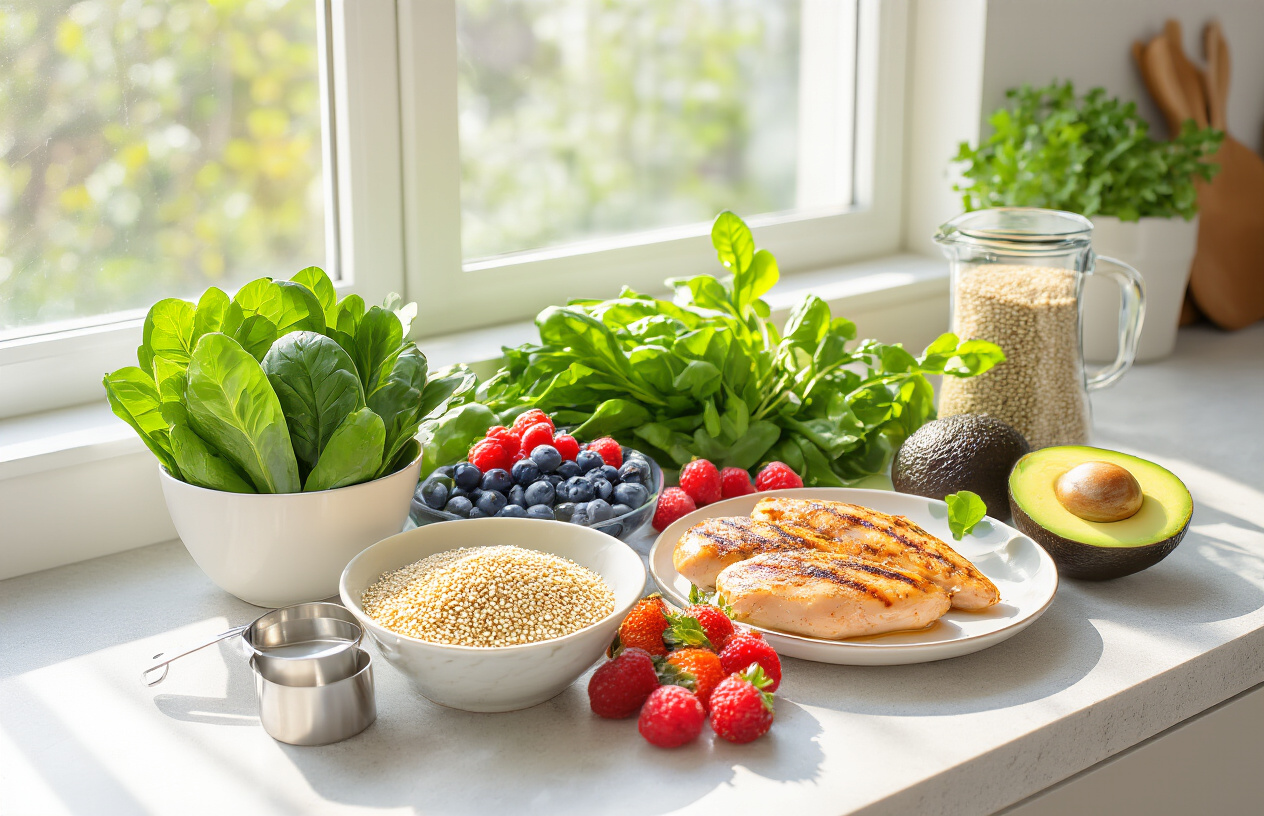
Protein becomes your secret weapon when you want to lose weight faster. Your body burns more calories digesting protein compared to carbs or fats, which means you’re getting a metabolic boost with every meal. Aim for 0.8-1.2 grams of protein per pound of body weight daily to maintain muscle mass while shedding fat.
Start your day with eggs, Greek yogurt, or protein smoothies to stay full longer. Lean meats like chicken breast, fish, and turkey provide complete amino acid profiles that support muscle recovery. Plant-based options like lentils, quinoa, and hemp seeds work just as well for those avoiding animal products.
The satiety factor can’t be ignored. When you eat adequate protein, those afternoon snack cravings disappear, and you naturally eat fewer calories throughout the day. This makes protein especially valuable for weight loss for women who often struggle with hunger between meals.
Choose foods that naturally boost your metabolic rate
Certain foods actually force your body to work harder, burning extra calories during digestion. Green tea contains catechins that can increase fat oxidation by up to 17%. Drink 2-3 cups daily to see noticeable results.
Spicy peppers containing capsaicin can boost metabolism for hours after eating. Add jalapeños, cayenne, or hot sauce to meals for an extra caloric burn. Cold water requires energy to warm up in your system, so drinking ice water throughout the day provides a small but consistent metabolic advantage.
Coffee deserves special mention as one of the best ways to lose weight through metabolic enhancement. The caffeine stimulates your central nervous system and can increase metabolic rate by 3-11%. Time your coffee intake before workouts for maximum fat-burning potential.
| Food Category | Metabolic Boost | Best Options |
|---|---|---|
| Thermogenic Spices | 5-10% increase | Cayenne, ginger, cinnamon |
| Caffeinated Drinks | 3-11% increase | Green tea, coffee, oolong tea |
| Cold Foods | 2-5% increase | Ice water, frozen fruits |
| High-Protein Foods | 20-30% increase | Lean meats, fish, legumes |
Eliminate processed foods that slow progress
Processed foods sabotage your weight loss efforts in multiple ways. They’re engineered to trigger overeating through addictive combinations of sugar, salt, and fat. Your brain literally can’t register fullness properly when eating these foods.
Hidden sugars lurk everywhere – salad dressings, pasta sauces, and “healthy” granola bars often contain more sugar than desserts. Read labels carefully and avoid anything with high fructose corn syrup, which your liver processes differently than regular sugar, promoting fat storage.
Replace packaged snacks with whole alternatives. Swap chips for air-popped popcorn, candy for fresh berries, and sugary drinks for sparkling water with lemon. These simple switches eliminate hundreds of empty calories while providing actual nutrition your body needs.
The inflammatory response from processed foods also slows metabolism and promotes water retention. You’ll notice reduced bloating within days of cleaning up your diet.
Master portion control without feeling deprived
Smart portion control doesn’t mean tiny plates and constant hunger. Use visual cues to estimate proper serving sizes: your palm for protein, cupped hand for carbs, thumb for fats, and fist for vegetables.
Eating slowly gives your brain time to register fullness signals, which take about 20 minutes to kick in. Put your fork down between bites and chew thoroughly. You’ll naturally eat less without tracking every calorie.
Pre-portioning snacks prevents mindless eating. When you buy nuts or crackers, immediately divide them into single-serving containers. This simple step eliminates the temptation to eat directly from large packages.
The plate method works exceptionally well: fill half your plate with non-starchy vegetables, one quarter with lean protein, and one quarter with complex carbs. This automatically creates proper proportions while keeping you satisfied.
Drinking water before meals can reduce calorie intake by up to 13%. Your stomach has limited space, so starting with 16 ounces of water naturally leaves less room for excess food.
Leverage Sleep and Stress Management for Weight Loss Success

Get quality sleep to regulate hunger hormones
Sleep plays a massive role in how to lose weight faster than most people realize. When you don’t get enough quality sleep, your body produces more ghrelin, the hormone that makes you feel hungry, while decreasing leptin, the hormone that signals fullness. This hormonal imbalance can sabotage even the best weight loss efforts.
Aim for 7-9 hours of uninterrupted sleep each night. Your body repairs itself during deep sleep phases, and this is when growth hormone peaks – a key player in fat burning and muscle preservation. Poor sleep quality can slow your metabolism by up to 20%, making the best way to lose weight much harder to achieve.
Create a sleep-friendly environment by keeping your bedroom cool, dark, and quiet. Put away screens at least an hour before bedtime since blue light interferes with melatonin production. Establish a consistent bedtime routine that signals to your body it’s time to wind down.
Reduce cortisol levels that trigger fat storage
Chronic stress floods your system with cortisol, a hormone that directly promotes fat storage, especially around your midsection. High cortisol levels also increase cravings for high-calorie, sugary foods that derail weight loss progress.
Women experiencing PCOS weight loss challenges often struggle with elevated cortisol, making stress management even more critical. Cortisol interferes with insulin sensitivity, making it harder for your body to process carbohydrates efficiently.
Combat elevated cortisol through regular physical activity, but avoid overtraining which can actually increase stress hormones. Incorporate relaxation techniques like deep breathing exercises, meditation, or gentle yoga into your daily routine. Even 10-15 minutes of mindfulness practice can significantly lower cortisol levels.
Practice stress-reduction techniques that prevent emotional eating
Emotional eating derails more weight loss journeys than any other factor. When stress hits, many people reach for comfort foods high in sugar and fat, completely undoing their calorie deficit efforts.
Identify your emotional eating triggers – whether it’s work pressure, relationship stress, or anxiety. Once you recognize these patterns, you can develop healthier coping strategies. Keep a food and mood journal to track when and why you eat beyond physical hunger.
Replace stress eating with alternative activities like taking a walk, calling a friend, or engaging in a hobby you enjoy. Many apps to lose weight now include mood tracking features that help you connect emotional states with eating patterns.
Practice the “pause technique” when you feel the urge to stress eat. Take five deep breaths and ask yourself if you’re truly hungry or if there’s an emotion driving the craving. This simple practice can prevent countless unnecessary calories from sabotaging your progress.
Implement Proven Weight Loss Hacks and Shortcuts
Use Intermittent Fasting to Accelerate Fat Burning
Intermittent fasting transforms your body into a fat-burning machine by giving your digestive system extended breaks. The 16:8 method works best for beginners – eat within an 8-hour window and fast for 16 hours. Your body depletes its glucose stores during the fasting period and switches to burning stored fat for energy.
Start with a 12-hour fast and gradually extend it. Skip breakfast and eat your first meal at noon, then finish eating by 8 PM. Black coffee, plain tea, and water are your friends during fasting hours. Many people who struggle with how to lose weight faster find this approach easier than counting calories all day.
The 5:2 approach offers another option – eat normally five days per week and restrict calories to 500-600 on two non-consecutive days. This method works particularly well for weight loss for women dealing with hormonal fluctuations.
Drink Water Strategically to Suppress Appetite
Water acts as a natural appetite suppressant when consumed at the right times. Drink 16-20 ounces of water 30 minutes before each meal to reduce hunger and increase feelings of fullness. This simple trick can cut your calorie intake by 13% without any other changes.
Replace sugary drinks with sparkling water infused with lemon or cucumber. Your brain often confuses thirst with hunger, leading to unnecessary snacking. Keep a water bottle visible on your desk or counter as a constant reminder.
Cold water boosts your metabolism slightly as your body burns calories to warm it up. Add ice cubes to maximize this thermogenic effect. Track your water intake using one of many apps to lose weight that include hydration monitoring features.
Take Advantage of Natural Fat-Burning Supplements
Green tea extract contains EGCG, a compound that increases fat oxidation by up to 17%. Take 400-500mg before workouts for maximum effect. Caffeine enhances this process by mobilizing fatty acids from fat tissue, making them available for energy.
L-carnitine helps transport fat into your cells’ mitochondria where it gets burned for fuel. Take 2-3 grams daily with meals. Garcinia cambogia may block fat production and reduce cravings, though effects vary between individuals.
Consider chromium picolinate if you struggle with sugar cravings – it helps stabilize blood sugar levels. Always consult your doctor before starting any supplement regimen, especially if you have underlying health conditions or take medications.
Apply Psychological Tricks to Stay Motivated
Use smaller plates and bowls to create the illusion of larger portions. Your brain relies heavily on visual cues to determine satisfaction. Blue plates specifically reduce appetite because blue is rarely found in natural foods.
Take photos of your meals before eating them. This mindful practice makes you more aware of portion sizes and food choices. Studies show people who photograph their food consume fewer calories overall.
Set mini-goals every few days instead of focusing only on your final target. Celebrate small wins like drinking enough water for three days straight or choosing vegetables over chips. These frequent positive reinforcements keep motivation high when the scale doesn’t move as quickly as you’d like.
Create Accountability Systems That Guarantee Results
Find a workout buddy or weight loss partner who shares similar goals. Text each other daily progress updates, meal photos, or exercise completions. People with accountability partners are 65% more likely to reach their weight loss targets.
Join online communities or use social features in apps to lose weight that connect you with others on similar journeys. Share your struggles and victories openly – vulnerability creates stronger connections and support networks.
Set up financial stakes by putting money into a jar for every missed workout or unhealthy meal choice. Donate this money to a cause you dislike if you don’t meet weekly goals. Loss aversion is a powerful motivator that makes the best way to lose weight more compelling when money is on the line.
Schedule weekly check-ins with yourself using measurements, photos, and energy levels rather than just scale weight. Write down three specific actions you’ll take the following week to stay on track.
Weight loss doesn’t have to be a slow, frustrating journey when you apply the right strategies. By creating a smart calorie deficit, combining effective workouts, eating nutrient-dense foods, and prioritizing quality sleep while managing stress, you’re setting yourself up for real success. These aren’t just random tips – they work together as a complete system that helps your body burn fat more efficiently.
Start with one or two changes this week instead of trying to overhaul everything at once. Maybe focus on getting better sleep and adding some strength training to your routine. Remember, the fastest weight loss happens when you’re consistent with the basics rather than jumping from one extreme diet to another. Your body will respond when you give it what it needs: the right fuel, movement, rest, and a sustainable approach you can actually stick with long-term.
Disclaimer:
This article is for information and learning only. This article neither includes nor recommends any information about how to address medical, psychological, or financial issues. If you face severe stress, anxiety, and depression, please seek a qualified professional.
Written by Azhar Huzaifa
Azhar Huzaifa is the founder of LifeBalanceInsight.com.
He writes about money psychology, health, and life balance,
helping middle-class families reduce stress and live better lives.