

Everyone wants to get ahead financially. But many people lose money without even realizing it. These losses often happen in small ways that add up over time. This article explains the most common hidden money traps Americans face. We also share clear alternatives that can save you real money.
We keep things simple, honest, and easy to understand. No exaggeration. Just real situations and practical steps.
Why Hidden Money Traps Matter
Hidden money traps are everyday costs that sneak up on you. They don’t feel huge at the moment, but over months and years they add up. For many Americans, these traps cost thousands of dollars annually.
These traps are not always obvious. They often appear in normal services, bills, or habits. You might not notice them until you review your spending.
Avoiding these traps takes awareness and small changes. But the savings can be significant.
High Bank Fees
What They Are
Bank fees are charges you pay for basic banking services. These include:
- Monthly maintenance fees
- ATM fees
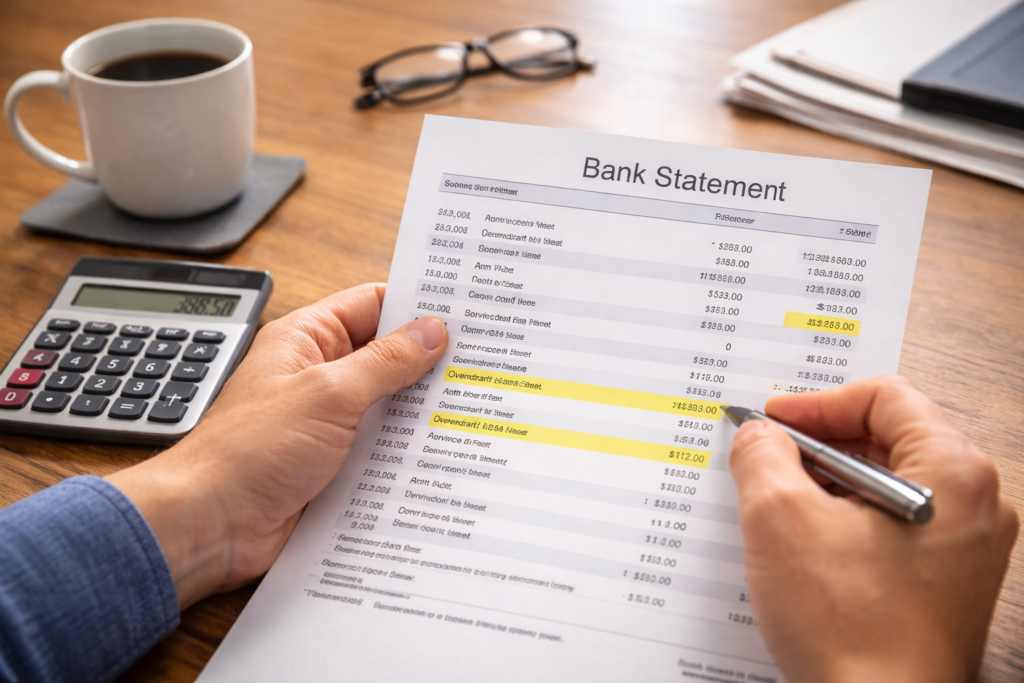
- Overdraft fees
These costs can pile up fast, especially if you use multiple banks or accounts.
Why They Cost So Much
Many Americans pay monthly maintenance fees even on basic checking accounts. Over a year, these fees can total $100–$200 or more. ATM fees add up when you use machines outside your bank’s network. Overdraft fees can be $30–$35 each time.
What You Can Do Instead
- Choose a no-fee bank account. Many online banks offer free checking with no minimum balance.
- Use your bank’s ATMs to avoid charges.
- Set up alerts to track your balance and avoid overdrafts.
- Consider opting out of overdraft protection to prevent surprise fees.
Small changes like these can save hundreds of dollars each year
Subscription Overload
What It Looks Like
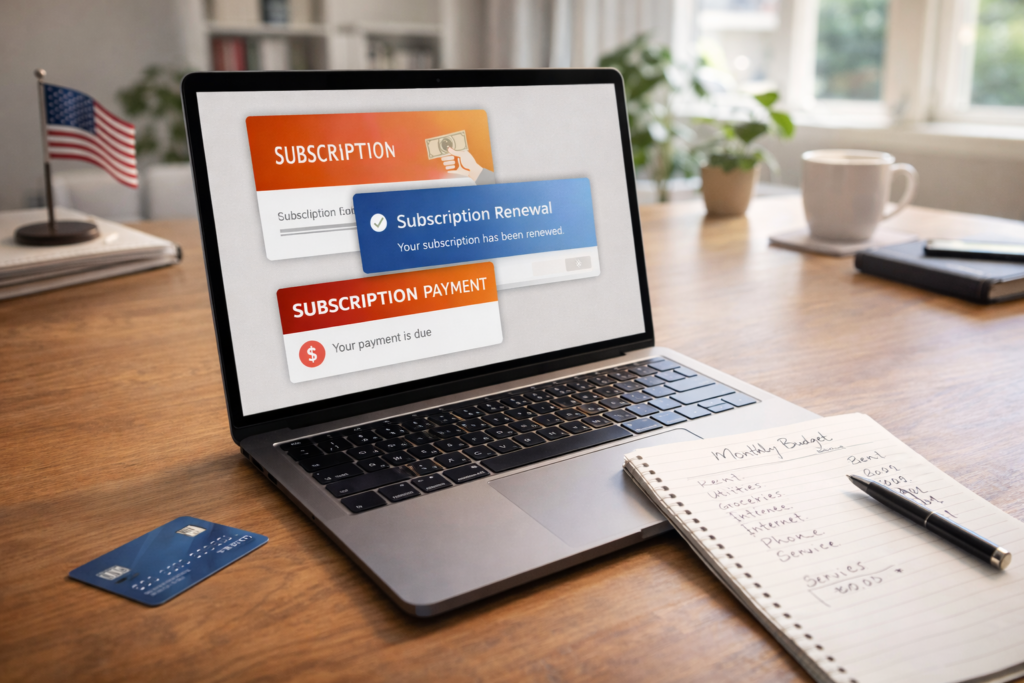
Subscriptions are everywhere now. Streaming services, apps, fitness apps, and online tools can all charge monthly fees. Each on its own might be small, but the total can become large.
Many people sign up for a free trial and forget to cancel. Others keep services they rarely use.
Why It Costs You
An unused streaming service might cost $10–$15 per month. A fitness app could cost $10–$30. If you have five or six subscriptions, you could be spending $100 or more monthly. That amounts to more than $1,000 per year.
How to Cut Back
- Review your subscription list regularly.
- Cancel services you no longer use or need.
- Share family plans with trusted family members or friends.
- Take advantage of free services like free library streaming or trial offers you use and cancel on time.
Being mindful of subscriptions can free up real cash.
Credit Card Interest
The Hidden Cost
Credit cards are easy to use but expensive if you carry a balance. Interest rates on credit cards can be 15%–25% or more.
The Real Impact
If you carry a balance, interest charges can grow fast. For example, a $2,000 balance with a 20% interest rate can cost you hundreds more a year in interest. You might think minimum payments keep things manageable. But minimum payments mostly pay interest, not the debt.
Better Choices to Save
- Pay your credit card balance in full each month.
- If you already have debt, consider a lower-interest option like a balance transfer card or a personal loan.
- Build an emergency fund so you don’t rely on credit for unexpected costs.
Reducing interest costs can save big amounts over time.
Unused Insurance and Add-Ons
What This Means
Insurance adds peace of mind. But sometimes people pay for coverage they don’t need. This includes things like:
- Extended warranties
- Credit card protection plans
- Unnecessary add-ons to car or home insurance
Why It Costs You
These products often cost more than the value you get. For example, extended warranties might cover repairs that rarely happen. And some protection plans duplicate coverage you already have through another policy.
How to Avoid Wasting Money
- Review your insurance policies annually.
- Compare what each covers so you aren’t paying for duplicate protection.
- Skip add-ons that have limited real value.
- Ask your agent to explain what you really need versus what is optional.
Being intentional about insurance can reduce waste.
Late Payment Fees
Common Examples
Late payment fees are everywhere. They happen when you miss a:
- Credit card payment
- Utility bill due date
- Loan payment
These fees are avoidable but easy to overlook.
The Cost of Forgetting
Late fees can be $25, $35, or more each time. Missed payments can also lower your credit score, which can cost you higher rates on loans and insurance in the future.
Simple Ways to Avoid Them
- Set up automatic payments.
- Use calendar reminders for due dates.
- Pay bills as soon as you receive them.
These habits take minutes to set up and save real dollars.
Buying Name Brands When Store Brands Work
Why We Do It
Many people automatically choose name-brand products. We think they are better. Sometimes they are. But often store brands are just as good.
The Money Impact
Choosing the store brand for everyday items like paper towels, canned goods, or medication can save 20–50% per item. Those savings add up when repeated weekly or monthly.
A Better Shopping Habit
- Try store brands for basics.
- Compare labels and prices.
- Keep the name brands for things you truly prefer.
A few mindful swaps can easily save hundreds a year.
Eating Out Too Often

Why It Hurts Your Wallet
Dining out is convenient and fun. But meals at restaurants cost more than cooking at home. Plus, tips and drinks add to the total.
A Simple Cost Comparison
A restaurant meal for two might cost $40–$60 or more. Cooking similar food at home might cost $15–$20 for both. Over time, the extra cost adds up.
Smarter Habits
- Cook at home more often.
- Meal plan to avoid last-minute takeout.
- Reserve dining out for special occasions.
Eating out less doesn’t mean eliminating fun. It means choosing it more intentionally.
Impulse Purchases
What This Is
Impulse purchases are unplanned buys. They can happen online or in stores. A quick click or swipe can lead to a purchase you didn’t really need.
The Hidden Cost
Even $10 here and $20 there adds up. A $20 impulse buy each week becomes more than $1,000 a year.
How to Curb Impulse Buying
- Wait 24 hours before buying non-essentials.
- Unsubscribe from retail emails that tempt you.
- Keep a list of what you need versus what you want.
Small delays and awareness help you spend more intentionally.
Energy Waste at Home

Subtle but Costly
Many homes waste energy, which increases bills. This includes things like:
- Old, inefficient appliances
- Lights left on all the time
- Poor insulation or drafty windows
Where Money Gets Lost
Energy waste might add $100–$300 or more to your annual utility bills. It’s not a single big cost, but steady waste.
Real Steps to Save
- Replace old bulbs with LEDs.
- Unplug devices when not in use.
- Seal drafts around windows and doors.
- Consider an energy audit to find big savings.
Small efficiency changes lower bills over time.
Unnecessary Bank Services
Often Overlooked
Banks sometimes charge for things like:
- Paper statements
- Check-writing privileges
- In-branch services you rarely use
How It Adds Up
A few dollars per service per month can add up to $50–$100 a year without value.
What You Can Do
- Switch to electronic statements.
- Ask your bank about fee-free plans.
- Skip services you don’t use.
Checking your bank charges once a year can save money quietly.
Poor Cell Phone Plans
Big Bills for Little Use
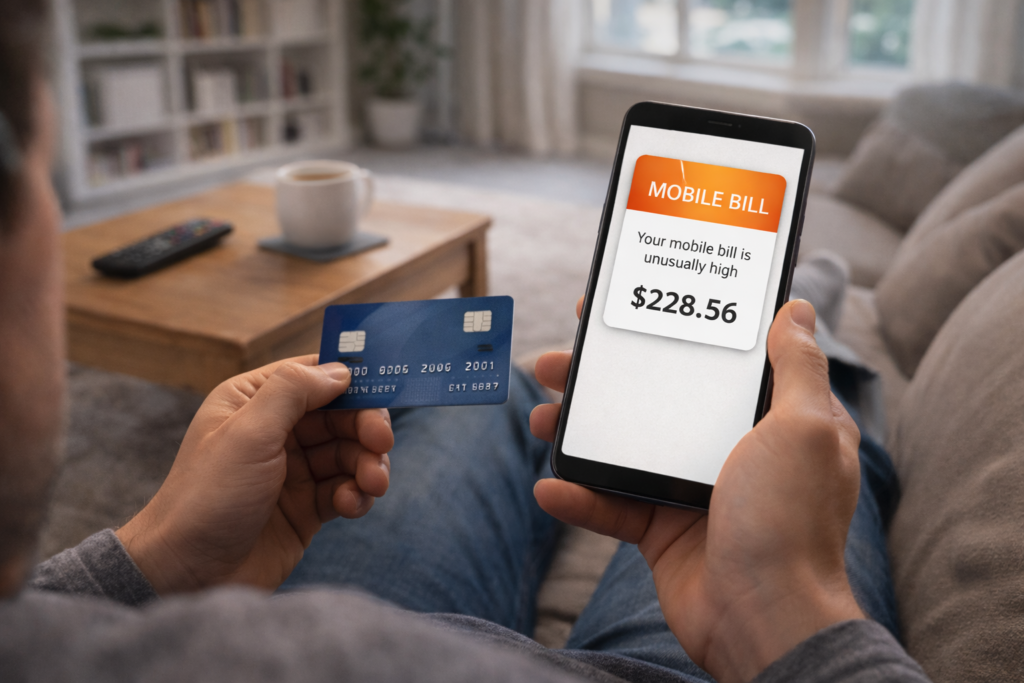
Cell phone plans vary widely. Some people pay for data or features they never use.
Extra Costs You Might Not Notice
- Unlimited data when you mostly use Wi-Fi
- Extra lines you don’t need
- Add-on services for security or downloads
These can add $20–$50 per month, or more.
How to Lower Your Bill
- Review your data use and plan size.
- Switch to a plan that matches your needs.
- Consider discounts through work or associations.
A plan audit every year can keep bills reasonable.
Conclusion
Hidden money traps are common. They sneak into everyday life through fees, wasteful habits, and services you don’t fully use. While each trap might seem small, the total impact can be thousands of dollars every year.
The good news is that most of these traps are avoidable. Mindful spending, regular reviews of bills and habits, and simple changes can add up to real savings.
Being aware is the first step. The next is acting on what you find. You don’t need perfection — small improvements lead to big differences over time.