
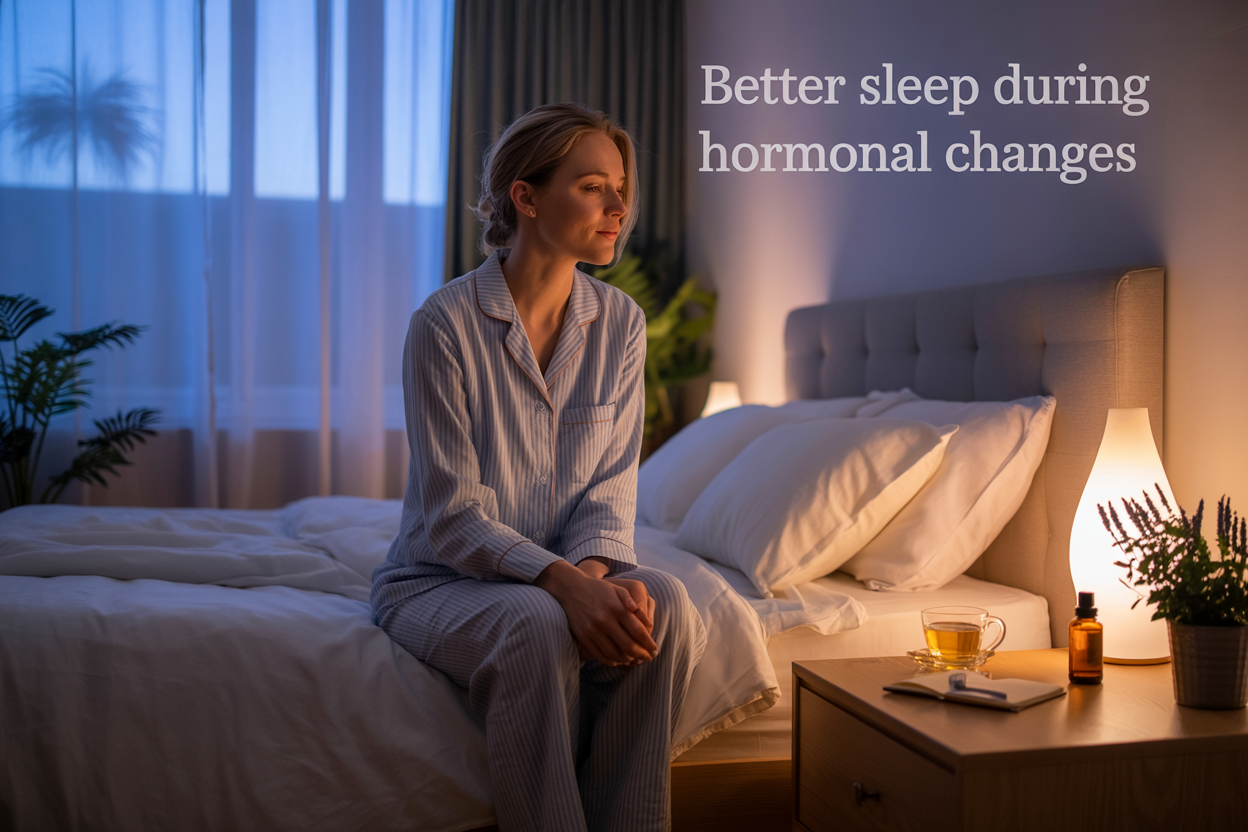
Hormonal changes can turn your once-reliable sleep schedule into a nightly battle with tossing, turning, and 3 AM wake-up calls. If you’re dealing with menopause, perimenopause, pregnancy, postpartum recovery, or other hormonal shifts, you know how frustrating it feels when your body won’t cooperate with your need for rest.
This guide I have made for anyone experiencing sleep problems during hormonal imbalance – from women navigating menopause to new parents dealing with postpartum hormone crashes. You’ll discover why hormonal changes cause poor sleep and learn practical strategies to reclaim your nights.
We’ll cover how to optimize your sleep environment for hormonal changes, including temperature control and lighting adjustments that work with your shifting hormone levels. You’ll also learn about evening routines that support hormone balance and dietary changes that can significantly improve your sleep quality. Finally, we’ll explore natural remedies and supplements that offer gentle support, plus guidance on when professional help might be your best next step.
Understanding How Hormones Affect Your Sleep Patterns

Recognize the connection between estrogen fluctuations and sleep disruption
Estrogen plays a crucial role in regulating your sleep-wake cycle, and when levels fluctuate dramatically, your sleep quality often takes a hit. During menstruation, perimenopause, and menopause, estrogen levels drop significantly, leading to frequent night wakings and difficulty falling asleep. This happens because estrogen helps maintain the production of neurotransmitters like serotonin and GABA, which promote relaxation and deep sleep.
When estrogen levels plummet, your body temperature regulation becomes less efficient, causing those infamous hot flashes that jolt you awake at 3 AM. The hormone also affects your REM sleep cycles, making your sleep feel less restorative even when you do manage to stay asleep through the night. Many women notice their hormonal changes and sleep problems become particularly pronounced during their menstrual cycle’s luteal phase or during major life transitions like pregnancy and menopause.
Identify progesterone’s role in promoting restful sleep
Progesterone acts like your body’s natural sedative, making it one of the most important hormones for quality sleep. This calming hormone has a direct sedating effect on your central nervous system, helping you fall asleep faster and stay asleep longer. When progesterone levels are optimal, you’ll likely experience deeper, more refreshing sleep with fewer interruptions.
During the second half of your menstrual cycle, progesterone levels naturally rise, which explains why many women feel more relaxed and sleep better during this time. However, when progesterone drops—whether due to stress, aging, or hormonal imbalances—insomnia often follows. The hormonal imbalance insomnia you might experience is frequently linked to insufficient progesterone production.
Progesterone also works synergistically with other sleep-promoting chemicals in your brain. It enhances the activity of GABA receptors, the same ones targeted by many sleep medications, but in a gentler, more natural way. This is why progesterone deficiency often leads to racing thoughts at bedtime and that “tired but wired” feeling that prevents restful sleep.
Understand cortisol’s impact on your sleep-wake cycle
Cortisol, your primary stress hormone, follows a natural rhythm that should peak in the morning and gradually decline throughout the day, reaching its lowest point at bedtime. When this pattern gets disrupted—often due to chronic stress, poor lifestyle habits, or other hormonal imbalances—your sleep suffers dramatically.
High nighttime cortisol levels are a major culprit behind hormone-related sleep problems. When cortisol remains elevated in the evening, it keeps your mind alert and your body in a state of readiness, making it nearly impossible to wind down for sleep. You might find yourself lying awake with racing thoughts, feeling physically tired but mentally wired.
Chronic stress and elevated cortisol also suppress the production of melatonin, your body’s natural sleep hormone. This creates a vicious cycle where poor sleep increases stress, which raises cortisol, which further disrupts sleep. Breaking this cycle requires addressing both the underlying stressors and implementing strategies to support healthy cortisol patterns.
Learn how testosterone changes influence sleep quality
While testosterone is often overlooked in sleep discussions, this hormone significantly affects sleep quality in both men and women. Testosterone levels naturally decline with age, and this decrease correlates with increased sleep fragmentation and reduced deep sleep stages. Lower testosterone can lead to sleep apnea, restless leg syndrome, and general sleep maintenance difficulties.
In women, even small changes in testosterone levels can impact sleep patterns. During menopause, when testosterone production decreases alongside estrogen and progesterone, many women experience a perfect storm of hormonal sleep disruption. The combination of all these hormonal shifts creates multiple pathways for sleep problems to develop.
Men typically see more dramatic testosterone declines, especially after age 30, when levels drop by about 1% per year. Low testosterone often manifests as difficulty maintaining sleep, early morning awakenings, and feeling unrefreshed despite adequate sleep duration. Sleep apnea becomes more common as testosterone levels decline, creating additional challenges for restorative sleep.
| Hormone | Peak Time | Sleep Impact | Common Disruption Signs |
|---|---|---|---|
| Estrogen | Follicular phase | Promotes REM sleep | Hot flashes, night sweats |
| Progesterone | Luteal phase | Natural sedative effect | Racing thoughts, light sleep |
| Cortisol | Morning | Maintains alertness | Difficulty falling asleep |
| Testosterone | Early morning | Supports deep sleep | Frequent awakenings |
Optimize Your Sleep Environment for Hormonal Changes
Control bedroom temperature to combat night sweats and hot flashes
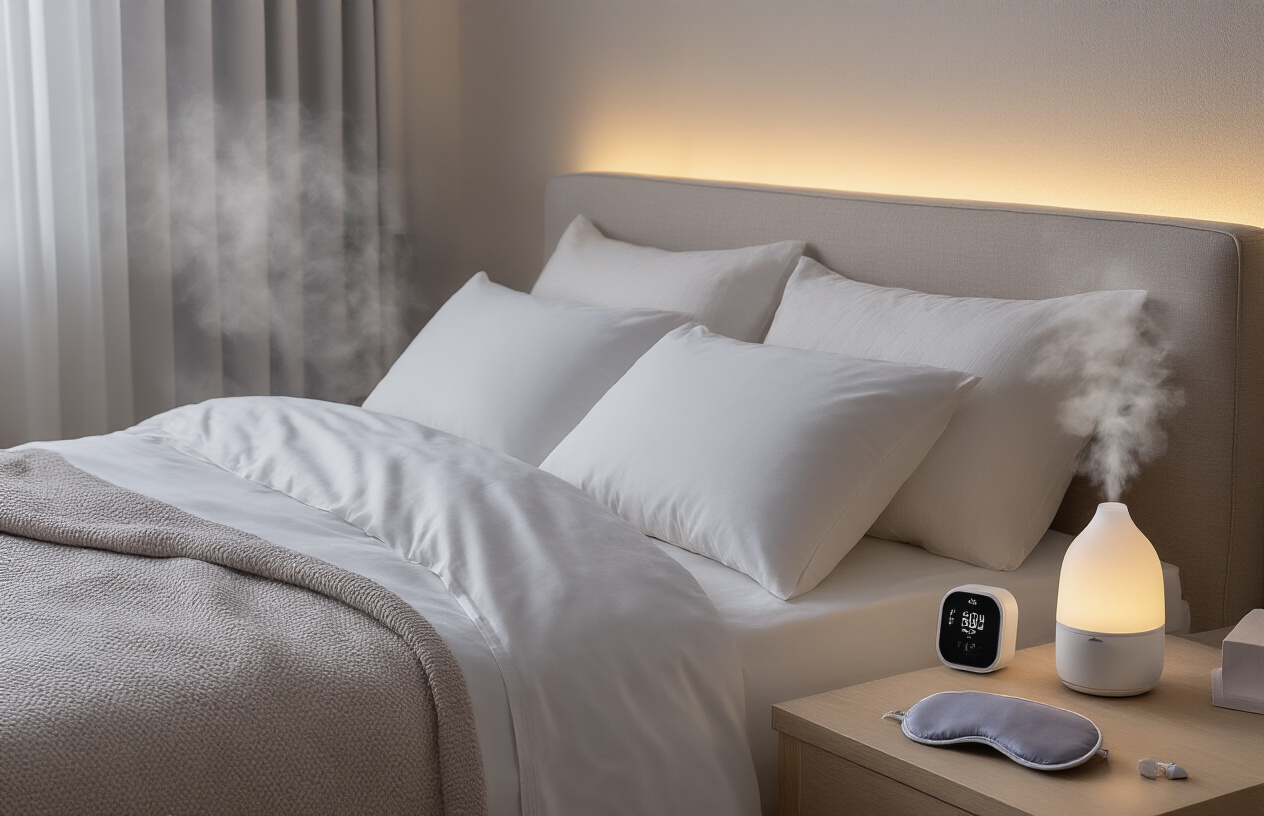
Night sweats and hot flashes can turn your bedroom into an uncomfortable sauna, making quality sleep nearly impossible during hormonal shifts. The key is keeping your bedroom temperature between 60-67°F (15-19°C), which helps your body maintain its natural temperature regulation even when hormones are wreaking havoc.
Consider investing in a programmable thermostat that automatically lowers the temperature at bedtime. If central air isn’t an option, a ceiling fan or portable fan can create the airflow needed to cool your skin when hot flashes strike. Keep multiple sets of lightweight, moisture-wicking pajamas nearby so you can quickly change if you wake up drenched in sweat.
Cooling mattress pads and pillows filled with gel or copper-infused materials can provide instant relief against your skin. Some women find that keeping a small towel and water bottle on their nightstand helps them cool down quickly without fully waking up. Layer your bedding with lightweight, breathable materials like bamboo or linen that you can easily remove or add as your body temperature fluctuates throughout the night.
Block out light sources that interfere with melatonin production
Hormonal changes already disrupt your body’s natural melatonin production, and even small amounts of light can make this worse. Your bedroom should be dark enough that you can’t see your hand in front of your face. Install blackout curtains or room-darkening shades that completely block outside light from streetlamps, car headlights, or early morning sun.
Don’t overlook those sneaky light sources hiding throughout your room. Cover or unplug electronics with LED displays – your alarm clock, cable box, phone charger, and even your smoke detector can emit enough light to interfere with sleep. Consider using blackout tape over small lights you can’t eliminate entirely.
Blue light from phones, tablets, and TVs is particularly disruptive to melatonin production during hormonal imbalance. Put devices away at least one hour before bed, or use blue light filtering glasses if you absolutely must use screens. Replace bright bathroom lights with dim, warm-toned night lights for those inevitable middle-of-the-night trips that come with hormonal changes.
Reduce noise disruptions that worsen during sensitive hormonal periods
When your hormones are already keeping you on edge, even minor sounds can jolt you awake or prevent you from falling back asleep. Hormonal sleep disruption often makes you more sensitive to noises that wouldn’t normally bother you – the neighbor’s dog, traffic, or your partner’s breathing can suddenly become unbearable.
White noise machines or apps can mask disruptive sounds by providing consistent background noise. Choose sounds that feel soothing to you – some people prefer rain or ocean waves, while others find mechanical white noise more effective. Earplugs designed specifically for sleeping can block out snoring partners or neighborhood noise without causing ear discomfort.
If you live in a noisy area, consider adding soft furnishings like thick rugs, heavy curtains, or upholstered furniture that naturally absorb sound. Even placing a towel under your bedroom door can reduce noise from other parts of your home. Your sleep environment becomes your sanctuary during hormonal changes, so creating this peaceful, controlled space gives your body the best chance to rest and recover despite the internal chaos your hormones might be creating.
Develop Evening Routines That Support Hormone Balance

Create a consistent wind-down schedule to regulate your circadian rhythm
Your body craves routine, especially when hormonal changes are throwing your sleep patterns off balance. Setting a consistent wind-down schedule helps signal to your brain that bedtime is approaching, making it easier to fall asleep naturally. Start your evening routine at the same time each night, even on weekends.
Begin this routine about 60-90 minutes before your intended bedtime. This gives your body enough time to shift from an active state to a restful one. Your routine might include taking a warm bath, reading a few pages of a book, or doing gentle stretches. The key is consistency – your brain will start anticipating sleep once it recognizes these familiar patterns.
Keep your bedroom temperature cool, ideally between 65-68°F, as your body naturally drops its core temperature when preparing for sleep. Dim the lights throughout your home during this wind-down period to encourage melatonin production, which hormonal shifts often disrupt.
Practice relaxation techniques that lower cortisol levels
High cortisol levels are notorious for keeping you awake at night, especially during periods of hormonal imbalance. Deep breathing exercises can quickly calm your nervous system and reduce stress hormones. Try the 4-7-8 breathing technique: inhale for 4 counts, hold for 7, and exhale for 8. Repeat this cycle 4-6 times.
Progressive muscle relaxation works wonders for releasing physical tension that builds up during stressful days. Start with your toes and work your way up, tensing each muscle group for 5 seconds, then releasing completely. This technique helps your body recognize the difference between tension and relaxation.
Meditation, even for just 10-15 minutes, can significantly improve sleep quality during hormonal changes. Apps like Headspace or Calm offer guided sessions specifically designed for bedtime. The goal isn’t to empty your mind completely – it’s to observe your thoughts without judgment and let them pass naturally.
Gentle yoga poses like child’s pose, legs-up-the-wall, or simple spinal twists activate your parasympathetic nervous system, telling your body it’s time to rest and repair.
Limit screen time to prevent melatonin suppression
Blue light from phones, tablets, and TVs tricks your brain into thinking it’s still daytime, suppressing the melatonin production that’s already compromised during hormonal shifts. Set a digital curfew at least one hour before bedtime – this simple change can dramatically improve your sleep quality.
If you absolutely must use devices in the evening, blue light blocking glasses can help minimize the impact. Many devices now have built-in night modes that reduce blue light emission, but the best approach is to avoid screens altogether during your wind-down time.
Replace scrolling through social media with activities that don’t require screens. Keep your phone in another room or use a traditional alarm clock instead of your phone. This prevents the temptation to check messages or social media when you should be sleeping.
Consider investing in a sunrise alarm clock that gradually increases light in the morning instead of relying on your phone’s jarring alarm sounds.
Choose calming activities that prepare your body for rest
Reading physical books or magazines helps quiet mental chatter without the stimulation that screens provide. Choose lighter content – save intense thrillers or work-related materials for daytime reading. Poetry, memoirs, or gentle fiction work best for bedtime.
Journaling for 10-15 minutes can help process the day’s events and worries, preventing them from cycling through your mind when you’re trying to sleep. Try writing down three things you’re grateful for and any concerns you want to address tomorrow.
Gentle stretching or restorative yoga poses signal to your muscles that it’s time to relax. Focus on poses that open your hips and release tension in your neck and shoulders, where stress commonly accumulates.
Creating a bedtime tea ritual with caffeine-free herbal teas like chamomile, passionflower, or valerian root can become a soothing anchor in your evening routine. The warm liquid and ritual itself help transition your body toward sleep mode.
Make Dietary Adjustments to Improve Sleep During Hormonal Shifts

Time Your Meals to Avoid Sleep Disruption from Blood Sugar Spikes
Your meal timing plays a crucial role in maintaining stable blood sugar levels throughout the night, which directly impacts sleep quality during hormonal changes. When blood sugar spikes and crashes occur close to bedtime, they can trigger cortisol release and interfere with your body’s natural sleep hormones.
Eating your last substantial meal 3-4 hours before sleep gives your digestive system enough time to process food without causing sleep disruption. Large meals late in the evening force your body to work overtime during hours when it should be winding down, creating internal conflict between digestion and sleep preparation.
If you need a bedtime snack, choose foods that promote stable blood sugar rather than quick energy spikes. A small serving of complex carbohydrates paired with protein works best – think whole grain crackers with almond butter or Greek yogurt with berries. These combinations provide steady glucose release without the dramatic peaks and valleys that can wake you up at 2 AM.
Avoid sugary snacks, refined carbohydrates, and heavy meals within three hours of bedtime. These foods create rapid blood sugar fluctuations that your already-stressed hormonal system struggles to manage, especially during periods of hormonal imbalance when insulin sensitivity may be compromised.
Incorporate Magnesium-Rich Foods That Promote Muscle Relaxation
Magnesium deficiency is surprisingly common and becomes even more problematic during hormonal shifts when your body’s mineral needs increase. This essential mineral acts as a natural muscle relaxant and helps regulate neurotransmitters that signal your brain to calm down for sleep.
Dark leafy greens like spinach and Swiss chard contain high levels of bioavailable magnesium. Adding these to your dinner salad or smoothie can help prepare your muscles for nighttime relaxation. Pumpkin seeds, almonds, and avocados are other excellent sources that you can easily incorporate into evening meals or snacks.
Dark chocolate (70% cacao or higher) provides both magnesium and compounds that support sleep hormone production. A small square after dinner can satisfy sweet cravings while contributing to better sleep quality during hormonal changes. Just keep portions modest since too much can provide unwanted stimulation from caffeine content.
Whole grains like quinoa and brown rice also supply magnesium along with complex carbohydrates that help maintain steady blood sugar levels overnight. Try incorporating these into your dinner rotation, especially during weeks when hormonal fluctuations are most noticeable.
| Magnesium-Rich Foods | Serving Size | Magnesium Content |
|---|---|---|
| Pumpkin seeds | 1 ounce | 150mg |
| Spinach (cooked) | 1 cup | 157mg |
| Dark chocolate (70%+) | 1 ounce | 64mg |
| Almonds | 1 ounce | 80mg |
| Avocado | 1 medium | 58mg |
Reduce Caffeine and Alcohol Intake That Amplifies Hormonal Sleep Issues
Caffeine sensitivity increases during hormonal changes, making your usual coffee habit more disruptive to sleep patterns. What once felt like a harmless afternoon pick-me-up can now keep you tossing and turning hours past bedtime. The half-life of caffeine extends to 6-8 hours, meaning that 3 PM coffee is still affecting your system when you try to sleep at 10 PM.
Switch your afternoon caffeine fix to herbal teas like chamomile or passionflower, which actually support relaxation rather than stimulation. If you absolutely need some caffeine after lunch, green tea provides a gentler boost with less sleep disruption than coffee.
Alcohol presents a double problem during hormonal shifts. While it might make you feel drowsy initially, alcohol disrupts REM sleep and causes blood sugar instability that leads to middle-of-the-night awakenings. Your liver works overtime to process alcohol, generating heat and stress hormones that counteract your body’s natural cooling and calming processes needed for deep sleep.
Women going through perimenopause or dealing with monthly hormonal fluctuations often find that even one glass of wine significantly impacts sleep quality. Hot flashes and night sweats become more frequent and intense with alcohol consumption, creating a cycle where poor sleep leads to more hormonal disruption.
Consider reducing alcohol intake gradually, especially during the two weeks before your period when hormone sensitivity peaks. Replace evening alcoholic beverages with relaxing alternatives like herbal tea, tart cherry juice (which naturally contains melatonin), or sparkling water with a splash of chamomile tea.
Use Natural Remedies and Supplements for Better Sleep

Explore melatonin supplementation for disrupted sleep cycles
Melatonin serves as your body’s natural sleep signal, but hormonal changes can throw this delicate system off balance. During perimenopause, menstruation, or other hormonal shifts, your natural melatonin production often becomes irregular, leaving you staring at the ceiling when you should be sleeping peacefully.
Starting with a low dose of 0.5 to 1 mg about 30 minutes before your desired bedtime works best for most people. Many make the mistake of taking too much melatonin, thinking more equals better sleep. Higher doses can actually disrupt your sleep cycle and leave you feeling groggy the next day.
Timing matters just as much as dosage. Take melatonin consistently at the same time each evening to help reset your circadian rhythm. Avoid screens and bright lights after taking it, as these can counteract melatonin’s effects and make it harder to fall asleep naturally.
Consider herbal teas that calm your nervous system
Herbal teas offer a gentle way to improve sleep quality during hormonal changes without the side effects of stronger remedies. Chamomile contains apigenin, a compound that binds to brain receptors and promotes sleepiness. Drinking a warm cup 30-60 minutes before bed helps signal your body that it’s time to wind down.
Passionflower tea works particularly well for racing thoughts that often accompany hormonal imbalances. This herb increases GABA production in your brain, which naturally reduces anxiety and promotes deeper sleep. Valerian root tea provides another powerful option, though its earthy taste might take some getting used to.
Create a relaxing bedtime ritual by brewing your chosen tea while doing other calming activities like gentle stretching or reading. The warmth of the tea combined with the ritual itself helps prepare your mind and body for rest.
Try essential oils that promote relaxation and deeper sleep
Essential oils work through both aromatherapy and topical application to support better sleep during hormonal disruption. Lavender oil stands out as the most researched option, with studies showing it can increase deep sleep stages and help you fall asleep faster.
Apply diluted lavender oil to your pulse points, add a few drops to your pillow, or use a diffuser in your bedroom 30 minutes before sleep. Roman chamomile oil offers similar benefits with a sweeter, more floral scent that many find comforting during times of hormonal stress.
Bergamot oil provides unique benefits by reducing cortisol levels, which often spike during hormonal changes and interfere with sleep. Mix 2-3 drops with a carrier oil and massage into your feet or hands before bed. Ylang-ylang oil helps balance emotions while promoting relaxation, making it perfect for those experiencing mood swings alongside sleep issues.
Investigate magnesium supplements for muscle tension relief
Magnesium deficiency becomes more common during hormonal shifts, and low levels directly contribute to poor sleep quality and muscle tension. This mineral helps relax muscles, calm the nervous system, and regulate neurotransmitters that control sleep.
Magnesium glycinate offers the best absorption and causes fewer digestive issues compared to other forms. Start with 200-400 mg taken 1-2 hours before bedtime. Some people notice improvements within a few days, while others need several weeks of consistent use to see results.
Muscle cramps, restless legs, and general tension often improve dramatically with proper magnesium supplementation. These physical discomforts frequently worsen during hormonal changes and can keep you awake even when you feel mentally tired. Adding magnesium to your evening routine addresses both the physical and neurological aspects of sleep problems.
Consider combining magnesium with calcium and vitamin D for optimal absorption and additional sleep benefits. Epsom salt baths provide another way to absorb magnesium transdermally while creating a relaxing pre-sleep ritual.
Know When to Seek Professional Help for Sleep Issues

Recognize Signs That Indicate Hormone Therapy Consultation
Your body sends clear signals when hormonal imbalances become severe enough to require professional intervention. If you’re experiencing sleep disruption alongside multiple symptoms like severe hot flashes, night sweats that completely drench your sheets, mood swings that feel uncontrollable, or irregular periods that have drastically changed pattern, it’s time to consult a healthcare provider.
Pay attention to sleep patterns that have become completely erratic despite your best efforts. If you’re lying awake for hours every night, waking up every 30-60 minutes, or feeling exhausted even after what should have been adequate rest, these hormonal sleep disruptions may need medical evaluation.
Women going through perimenopause or menopause often dismiss symptoms as “normal aging,” but severe sleep problems during hormonal changes don’t have to be your new reality. Men experiencing andropause can also face similar challenges. If your sleep quality has declined dramatically over a period of months, and you’re noticing other symptoms like weight gain, brain fog, or decreased libido, hormone therapy consultation could provide answers.
Keep a sleep diary noting your patterns, symptoms, and any triggers. This information becomes valuable when discussing treatment options with your doctor. Don’t wait until you’re completely burned out – early intervention often leads to better outcomes.
Identify Sleep Disorders That Require Medical Intervention
Some sleep problems go beyond hormonal fluctuations and signal underlying disorders that need professional diagnosis and treatment. Sleep apnea, which becomes more common during hormonal transitions, can disguise itself as hormone-related insomnia. If your partner notices loud snoring, gasping sounds, or periods where you stop breathing during sleep, this requires immediate medical attention.
Restless leg syndrome often worsens during hormonal shifts, particularly during pregnancy or menopause. If you experience uncomfortable sensations in your legs that force you to move them constantly, especially at bedtime, this neurological condition needs proper evaluation.
Chronic insomnia that persists for more than three months, regardless of hormonal status, may indicate a primary sleep disorder. If you’re unable to fall asleep or stay asleep at least three nights per week, and this pattern continues despite good sleep hygiene practices, professional sleep medicine intervention is necessary.
Watch for signs of narcolepsy, including sudden daytime sleepiness, sleep attacks, or episodes of muscle weakness triggered by emotions. These symptoms can sometimes emerge or worsen during hormonal transitions but require specialized neurological evaluation.
Sleep-related movement disorders, persistent nightmares that disrupt sleep quality, or any sleep behaviors that concern you or your family members should prompt a visit to a sleep specialist.
Understand When Lifestyle Changes Aren’t Enough to Restore Sleep Quality
You’ve tried everything – perfect sleep hygiene, dietary adjustments, stress management techniques, and natural remedies – yet your sleep quality remains poor. This scenario often indicates that the underlying hormonal imbalance requires more targeted intervention than lifestyle modifications alone can provide.
If you’ve consistently followed sleep improvement strategies for three to six months without significant improvement, it’s time to explore medical options. Your dedication to natural approaches shows commitment to your health, but sometimes your body needs additional support to restore balance.
Severe symptoms that interfere with your daily functioning signal the need for professional help. If poor sleep during hormonal changes affects your work performance, relationships, or mental health, don’t continue suffering in silence. Depression, anxiety, or cognitive issues stemming from chronic sleep deprivation require comprehensive treatment approaches.
Safety concerns also warrant immediate attention. If daytime fatigue from hormone-related sleep problems affects your ability to drive safely or perform job responsibilities, medical intervention becomes essential for your wellbeing and that of others.
Sometimes the solution involves combining lifestyle approaches with medical treatments like bioidentical hormone therapy, prescription sleep aids, or other targeted therapies. A healthcare provider can help determine which combination of approaches will be most effective for your specific situation, ensuring you get the restorative sleep your body needs during hormonal transitions.

Getting good sleep during hormonal changes doesn’t have to feel impossible. The strategies we’ve covered – from creating the right sleep environment and establishing calming bedtime routines to making smart food choices and trying natural remedies – work together to help your body adjust. Small changes like keeping your bedroom cool, avoiding late-night screens, and choosing magnesium-rich foods can make a real difference in how well you rest.
Remember that hormonal shifts affect everyone differently, and what works for your friend might not be perfect for you. Start with one or two changes that feel manageable, then build from there. If you’ve tried these approaches for several weeks and still struggle with sleep, don’t hesitate to talk with your doctor. Sometimes you need professional guidance to get back on track, and that’s completely normal. Your sleep matters, and you deserve to wake up feeling refreshed.
Disclaimer:
This article is for information and learning only. This article neither includes nor recommends any information about how to address medical, psychological, or financial issues. If you face severe stress, anxiety, and depression, please seek a qualified professional.
Written by Azhar Huzaifa
Azhar Huzaifa is the founder of LifeBalanceInsight.com.
He writes about money psychology, health, and life balance,
helping middle-class families reduce stress and live better lives.