

Many Americans feel stuck between rising costs and the desire to enjoy life. Rent is high. Groceries cost more. Subscriptions pile up. Yet a growing number of people report saving $500 or more each month — without giving up restaurants, travel, or hobbies.
This is not magic. It is not extreme frugality. And it does not require living like a minimalist monk.
The shift comes from smarter systems, better awareness, and small changes that compound. The goal is not deprivation. The goal is efficiency.
Let’s break down how this works, why it works, and what alternatives exist if your situation looks different.
The Core Idea: Optimize, Don’t Restrict
Most people assume saving money means cutting fun. That belief stops progress before it starts.
The Americans who consistently save large amounts focus on optimization instead of restriction. They reduce waste, not joy.
Waste hides in unnoticed spending, outdated services, inefficient habits, and autopilot decisions. Once people fix those areas, money frees up naturally.
This mindset turns saving into a by-product of smarter choices — not sacrifice.
Where the $500 Actually Comes From
Saving $500 a month rarely comes from one dramatic change. It usually comes from several smaller adjustments that stack together.
Subscription and Recurring Expense Cleanup
Streaming services, apps, memberships, and forgotten renewals quietly drain money.
Many people discover they pay for:
- Multiple streaming platforms they barely use
- Old gym memberships
- Duplicate cloud storage
- Premium app trials that never got canceled
Canceling or consolidating subscriptions can easily free $50–$150 a month.
The lifestyle stays the same. The waste disappears.
Smarter Grocery Spending — Not Less Food
Grocery costs rise quickly when shopping happens without a plan.
People saving aggressively still eat well. They simply shop with intention:
- Meal planning to avoid food waste
- Buying staples in bulk
- Choosing store brands for basics
- Using cashback or grocery reward apps
These habits reduce impulse buys and throwaway food.
Savings often reach $100–$200 monthly without shrinking meals or quality.
Insurance and Utility Optimization
Insurance companies rarely lower rates automatically. Many Americans overpay simply because they never re-shop their plans.
People who compare rates yearly often reduce:
- Auto insurance
- Renters or homeowners insurance
- Internet or phone plans
Utilities also respond to smarter usage:
- Energy-efficient bulbs
- Smart thermostats
- Simple usage awareness
None of these changes reduce comfort. They just remove overpayment.
Savings: $50–$150 monthly.
Banking and Fee Awareness
Hidden fees quietly eat money:
- Overdraft fees
- ATM fees
- Account maintenance charges
- Interest on credit balances
Switching to fee-friendly banks and automating payments prevents avoidable losses.
This step alone can save tens or hundreds each year.
More importantly, it protects future money from slipping away unnoticed.
Cashback and Reward Systems
Many Americans now treat everyday spending like a strategy game.
They use:
- Cashback credit cards (paid in full monthly)
- Store loyalty programs
- Reward portals
This is not about spending more. It is about capturing value from purchases already planned.
Monthly benefit: $30–$100 depending on spending habits.
Why This Approach Works
The success of this strategy comes from psychology and structure — not extreme discipline.
It Removes Friction
When savings come from system improvements, people feel less resistance.
No one feels deprived after canceling a forgotten subscription. There is no emotional sacrifice.
That makes the changes sustainable.
It Targets Invisible Spending
Most financial leaks happen outside conscious awareness.
Optimizing systems shines a light on recurring costs that people ignore. Once visible, they become easy to fix.
It Builds Momentum
Early wins create motivation.
Saving the first $100 proves change is possible. That momentum encourages deeper optimization.
Over time, habits compound into meaningful monthly savings.
Lifestyle Preservation Is the Key
The Americans succeeding here protect the experiences they value.
They still:
- Go out with friends
- Travel occasionally
- Enjoy hobbies
- Buy quality items
They simply redirect money away from waste toward priorities.
This shift feels empowering instead of restrictive.
Practical Steps to Start Saving Immediately
You do not need a complex plan. Start small and build from there.
Step 1: Audit Recurring Charges
Check your last 3 months of bank and credit statements.
Highlight every recurring payment.
Ask:
- Do I use this regularly?
- Is there a cheaper option?
- Can I share or downgrade this?
Cancel or adjust anything unnecessary.
Step 2: Track Grocery Spending for One Month
Notice patterns:
- Impulse purchases
- Wasted food
- Convenience spending
Add a simple meal plan and shopping list.
You will likely see immediate improvement.
Step 3: Re-Shop Insurance and Utilities
Spend one afternoon requesting quotes or reviewing plans.
Companies often compete aggressively for new customers.
Even small reductions compound yearly.
Step 4: Set Up Smart Payment Systems
Automate bill payments to avoid late fees.
Use alerts to track balances.
Switch to accounts that minimize fees.
Step 5: Capture Rewards — Responsibly
Choose one cashback method.
Do not chase every deal.
Keep it simple and controlled.
Common Mistakes to Avoid
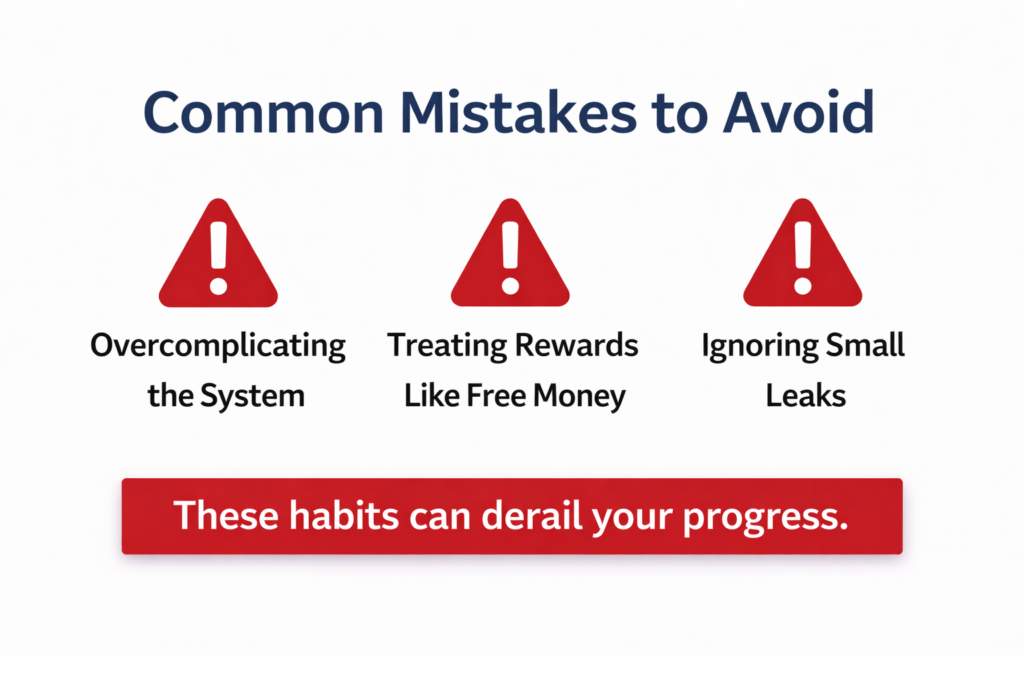
Saving without lifestyle cuts requires balance. Some traps can derail progress.
Overcomplicating the System
Too many apps or tracking tools cause burnout.
Simple systems last longer.
Treating Rewards Like Free Money
Cashback only works when spending stays intentional.
Overspending erases benefits quickly.
Ignoring Small Leaks
Minor fees seem harmless. Over time, they add up.
Consistency matters more than dramatic moves.
Alternatives If Your Situation Is Different
Not everyone has the same expenses or income structure. The core principle still applies: reduce waste, not quality of life.
If Income Is Tight
Focus on fixed expenses first:
- Housing costs
- Transportation
- Insurance
These areas yield the biggest relief.
Community resources and discount programs can also help without sacrificing essentials.
If Expenses Are Already Lean
Shift attention to income efficiency:
- Negotiating bills
- Seeking employer benefits
- Tax optimization
- Skill upgrades for better pay
Savings can grow from smarter earning, not just spending.
If Time Is Limited
Automate as much as possible.
Use bill reminders, subscription trackers, and budgeting alerts.
Small automation replaces constant effort.
The Bigger Financial Impact
Saving $500 monthly equals $6,000 per year.
Invested wisely, that money can:
- Build emergency reserves
- Reduce debt stress
- Fund travel
- Support long-term goals
More importantly, it creates breathing room.
Financial stress drops when people know they control their money instead of reacting to it.
A Realistic Perspective
Saving $500 monthly will not happen overnight for everyone.
Some households save less at first. Others save more.
The important takeaway is this:
You do not need to live smaller to live smarter.
Most progress comes from awareness, systems, and steady improvement — not extreme sacrifice.
Final Thoughts
Americans saving $500 or more each month are not living deprived lives. They are living optimized ones., identify waste and simplify systems. They protect what matters.
The result is financial flexibility without lifestyle loss.
Start with one area. Build momentum. Let smarter habits compound.
Saving money should feel empowering — not punishing.
And when done thoughtfully, it becomes a natural part of everyday life.