
Personality development is not about changing who you are. It is about becoming a clearer, stronger, and more confident version of yourself. Your habits, communication style, emotional control, and mindset all shape how you show up in daily life.
Many people think personality growth requires dramatic transformation. It does not. Small, consistent actions create real change. The activities in this guide focus on practical behaviors you can apply right away.
You will also see why each activity matters and what alternatives exist if one approach does not fit your lifestyle.
Let’s begin.
Why Personality Development Activities Matter
Your personality affects relationships, career progress, decision-making, and self-confidence. When you actively work on personal growth, you build awareness and control over how you react to situations.
Structured activities give you direction. They prevent vague goals like “be more confident” or “communicate better.” Instead, they turn growth into repeatable actions.
That is why personality development activities work. They make improvement measurable, realistic, and sustainable.
1. Daily Self-Reflection
Why it helps
Self-reflection builds awareness. When you pause and review your day, you notice patterns in behavior, emotions, and decisions. Awareness is the first step toward change.
A simple reflection habit helps you:
- Recognize triggers
- Identify strengths
- Correct mistakes early
You do not need long sessions. Five to ten minutes is enough.
How to do it
Ask yourself:
- What went well today?
- What could I handle better next time?
- How did I respond to pressure?
Write brief notes. Consistency matters more than length.
Alternatives
If journaling feels heavy:
- Record voice notes
- Use a reflection app
- Think through your day during a walk
2. Reading for Perspective
Why it helps
Reading exposes you to new ideas, experiences, and viewpoints. This expands thinking and improves empathy. Both traits strengthen personality and decision-making.
Books on psychology, communication, and personal growth often provide tools you can apply immediately.
How to do it
Read 10–20 minutes daily. Focus on understanding, not speed. Highlight useful ideas and reflect on how they apply to your life.
Alternatives
If reading feels slow:
- Listen to audiobooks
- Watch educational talks
- Follow expert interviews
3. Practicing Active Listening
Why it helps
Strong personalities communicate clearly. Active listening improves relationships and reduces misunderstandings. It shows respect and builds trust.
Listening is not waiting to speak. It is full attention.
How to do it
When someone speaks:
- Maintain eye contact
- Avoid interrupting
- Ask clarifying questions
- Repeat key points to confirm understanding
Alternatives
If real-time listening feels difficult:
- Practice during phone calls
- Use discussion groups
- Record conversations for review (with permission)
4. Stepping Outside Your Comfort Zone
Why it helps
Growth happens when you face mild discomfort. Trying new experiences increases confidence and adaptability. It teaches your brain that uncertainty is manageable.
This does not mean extreme risks. Small challenges work best.
How to do it
Examples include:
- Speaking in meetings
- Joining a class
- Traveling alone
- Initiating conversations
Start small. Build gradually.
Alternatives
If social challenges feel overwhelming:
- Practice new skills online
- Attend low-pressure workshops
- Role-play scenarios with friends
5. Setting Personal Goals
Why it helps
Goals create direction. Without goals, personal growth feels random. Clear objectives motivate consistent action and measurable progress.
Goal setting also builds discipline.
How to do it
Use simple structure:
- Define one short-term goal
- Break it into weekly actions
- Track progress
Review and adjust regularly.
Alternatives
If strict goals feel stressful:
- Use habit tracking
- Focus on daily intentions
- Set theme-based growth months
6. Improving Communication Skills
Why it helps
Communication shapes how others perceive you. Clear expression reduces conflict and increases confidence. It strengthens leadership and collaboration.
How to do it
Practice:
- Speaking slowly and clearly
- Organizing thoughts before responding
- Using simple language
Record yourself speaking and review tone and clarity.
Alternatives
If speaking practice feels awkward:
- Join online discussion forums
- Take short communication courses
- Practice storytelling with friends
7. Emotional Regulation Training
Why it helps
Emotional control improves decision-making. It prevents impulsive reactions and strengthens resilience. Personality growth depends heavily on how you respond under pressure.
How to do it
When emotions rise:
- Pause before reacting
- Breathe slowly
- Label the emotion
This creates mental space for rational choices.
Alternatives
If self-regulation feels difficult:
- Try guided meditation
- Practice mindfulness exercises
- Use stress-management techniques
8. Seeking Constructive Feedback
Why it helps
Feedback reveals blind spots. It shows how others experience your behavior. Honest input accelerates growth.
Many people avoid feedback because it feels uncomfortable. Yet respectful critique is valuable.
How to do it
Ask trusted people:
- What is one strength I should keep?
- What is one behavior I should improve?
Listen without defending yourself.
Alternatives
If direct feedback feels intense:
- Use anonymous surveys
- Join peer growth groups
- Reflect on recurring conflicts
9. Building Healthy Routines
Why it helps
Daily routines influence energy, mood, and discipline. Structure reduces decision fatigue and improves consistency.
Healthy routines support personality growth by stabilizing mental and emotional states.
How to do it
Focus on basics:
- Consistent sleep schedule
- Physical activity
- Focused work blocks
Start with one routine. Expand gradually.
Alternatives
If rigid routines feel restrictive:
- Use flexible time blocks
- Plan priority habits only
- Rotate focus areas weekly
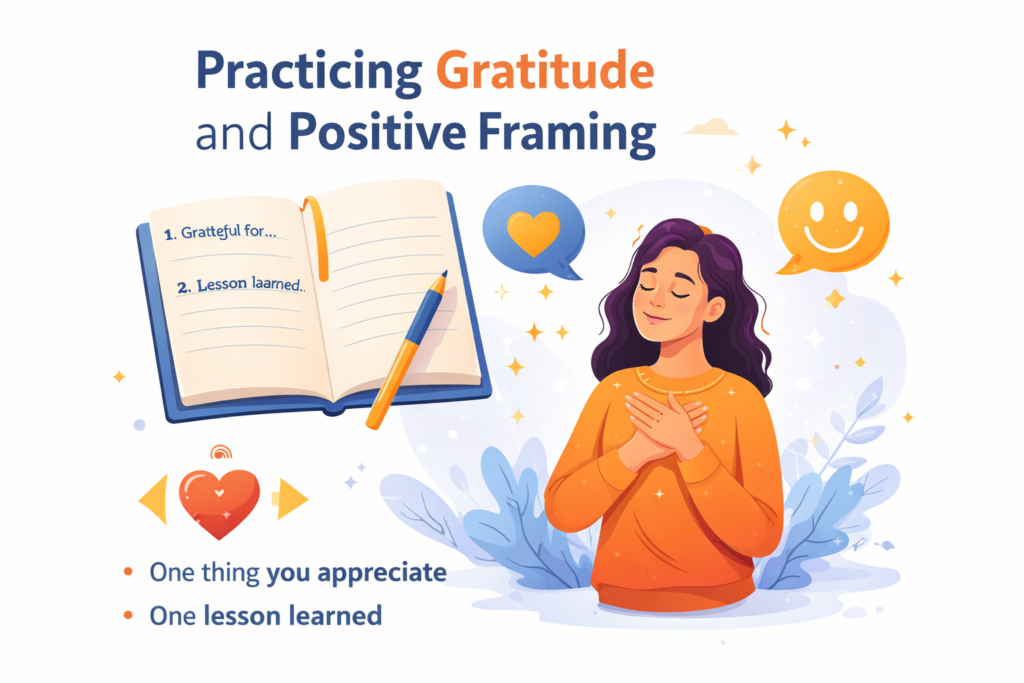
10. Practicing Gratitude and Positive Framing
Why it helps
Gratitude shifts attention toward progress and opportunity. Positive framing improves resilience without ignoring real challenges.
This mindset strengthens emotional stability and social connection.
How to do it
Each day, note:
- One thing you appreciate
- One lesson learned
Keep it simple and honest.
Alternatives
If gratitude journaling feels forced:
- Share appreciation verbally
- Reflect during walks
- Use reminder prompts
When These Activities Don’t Fit: Practical Alternatives
Not every activity suits every personality or schedule. Personal growth is flexible. If something feels forced, adapt the method rather than abandoning growth entirely.
Examples include:
- Replace journaling with voice reflection
- Swap reading with podcasts
- Choose group learning over solo practice
- Use micro-habits instead of strict routines
The goal is sustainable progress, not perfection.
How to Start Without Feeling Overwhelmed
You do not need to implement all ten activities at once. Choose two or three that feel natural. Practice them consistently for a few weeks.
Small wins build confidence. Confidence fuels motivation. Motivation sustains growth.
Personality development is a long-term process. It is not a race.
Final Thoughts
Personality development activities exist to guide intentional growth. They help you become more self-aware, emotionally balanced, confident, and effective in daily life.
Real change comes from repetition, reflection, and patience. These activities are tools, not rules. Adapt them to fit your lifestyle.
You do not need dramatic transformation. You need consistent action.
Personal growth is less about becoming someone new and more about becoming fully yourself.